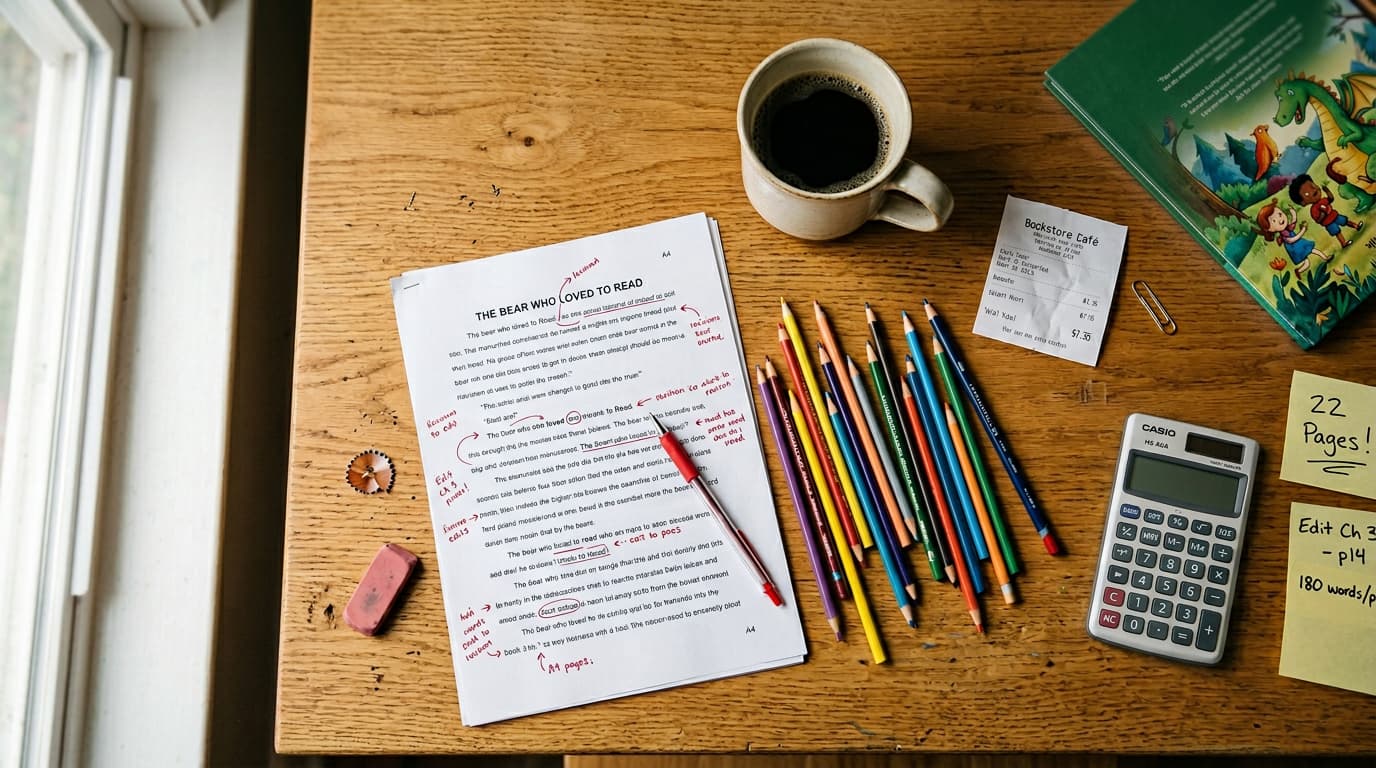
The real economics of self-publishing a children's picture book
Most authors find out how picture book economics work after they've already spent the money. This post is for the ones who want to know before.
Updates, stories, and insights from the Redda team.
Most authors find out how picture book economics work after they've already spent the money. This post is for the ones who want to know before.
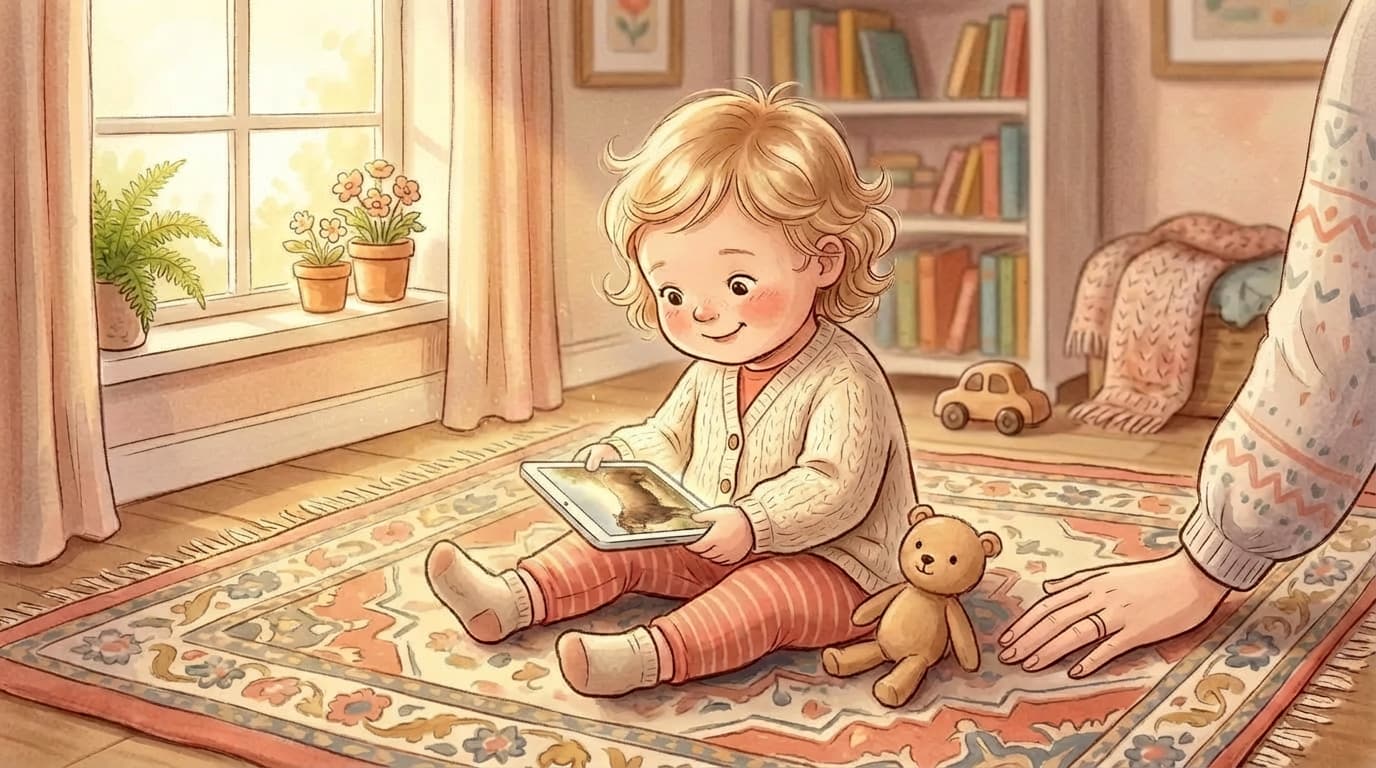
98% of two-year-olds use screens daily. The research says the question isn't how much, it's what kind. Here's what that means for your family.
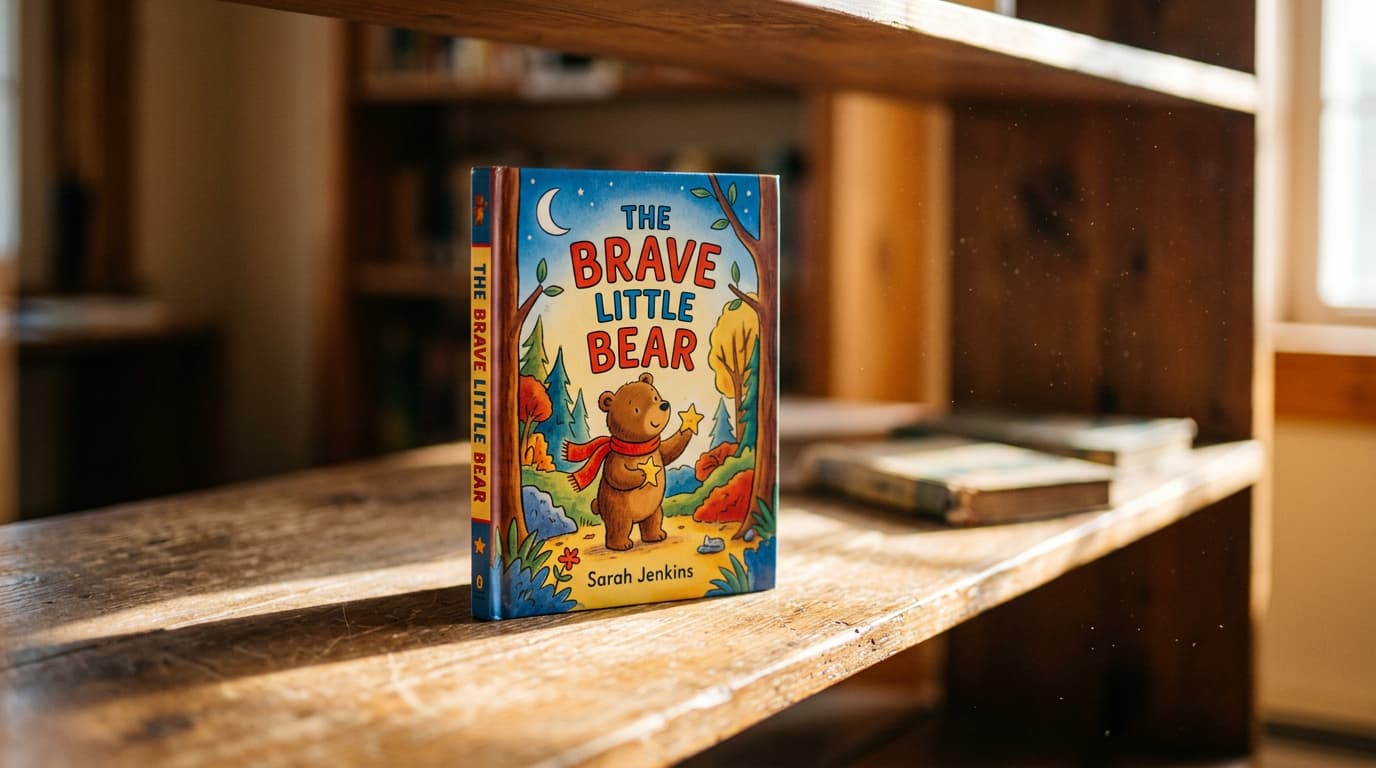
The 100-copy ceiling isn't a quality problem. It's a distribution problem. Here's how the math actually works for picture book authors.
Almost all quality children's screen content is in English. For multilingual families, that's a problem with a practical solution.
If your child answers in English when you speak to them in your language, you're not imagining it. It's a content gap, not a culture gap. Here's how to close it.
For globally mobile families, language attrition isn't hypothetical. It's something that has already happened. Here's what actually works to keep your child's languages alive across moves.
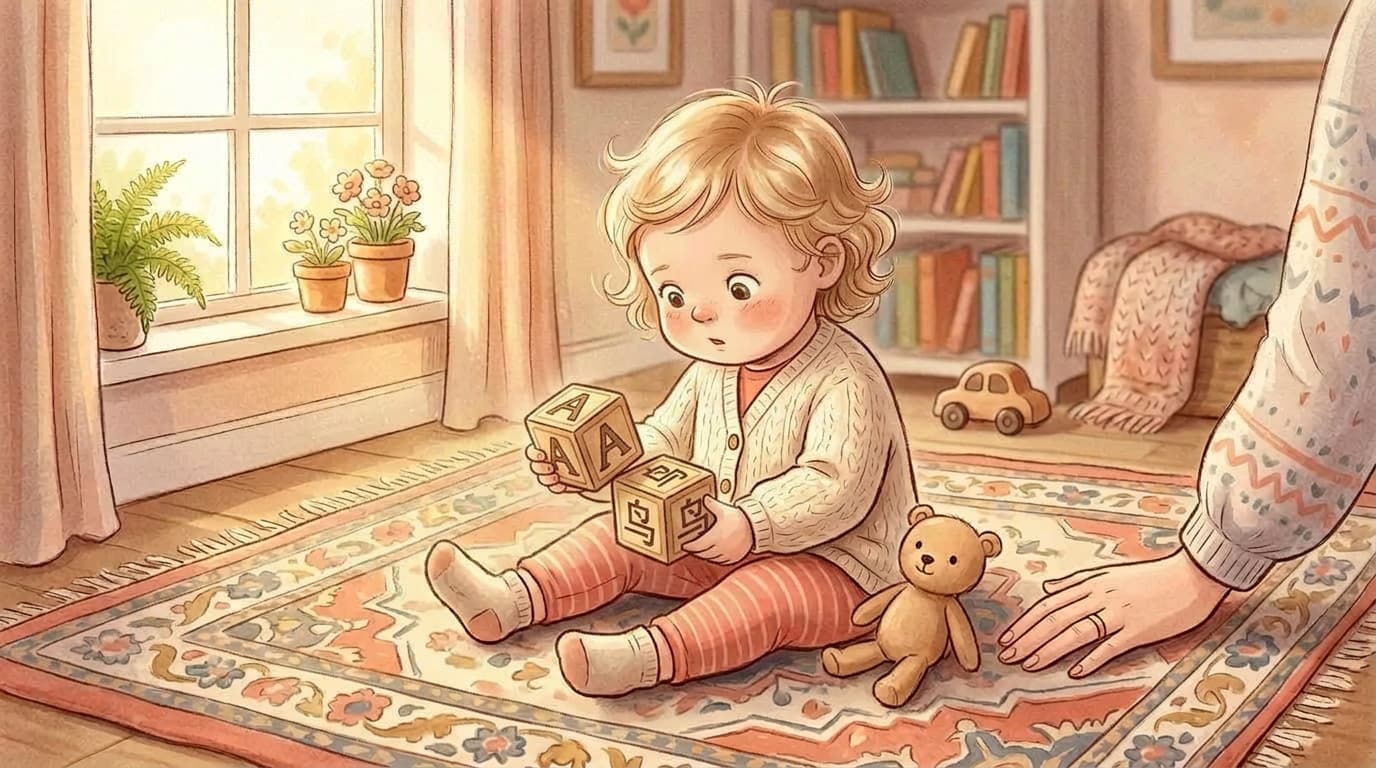
Heritage language loss. Critical windows. Language confusion. The research is sometimes used to support these fears. Here's what it actually says.
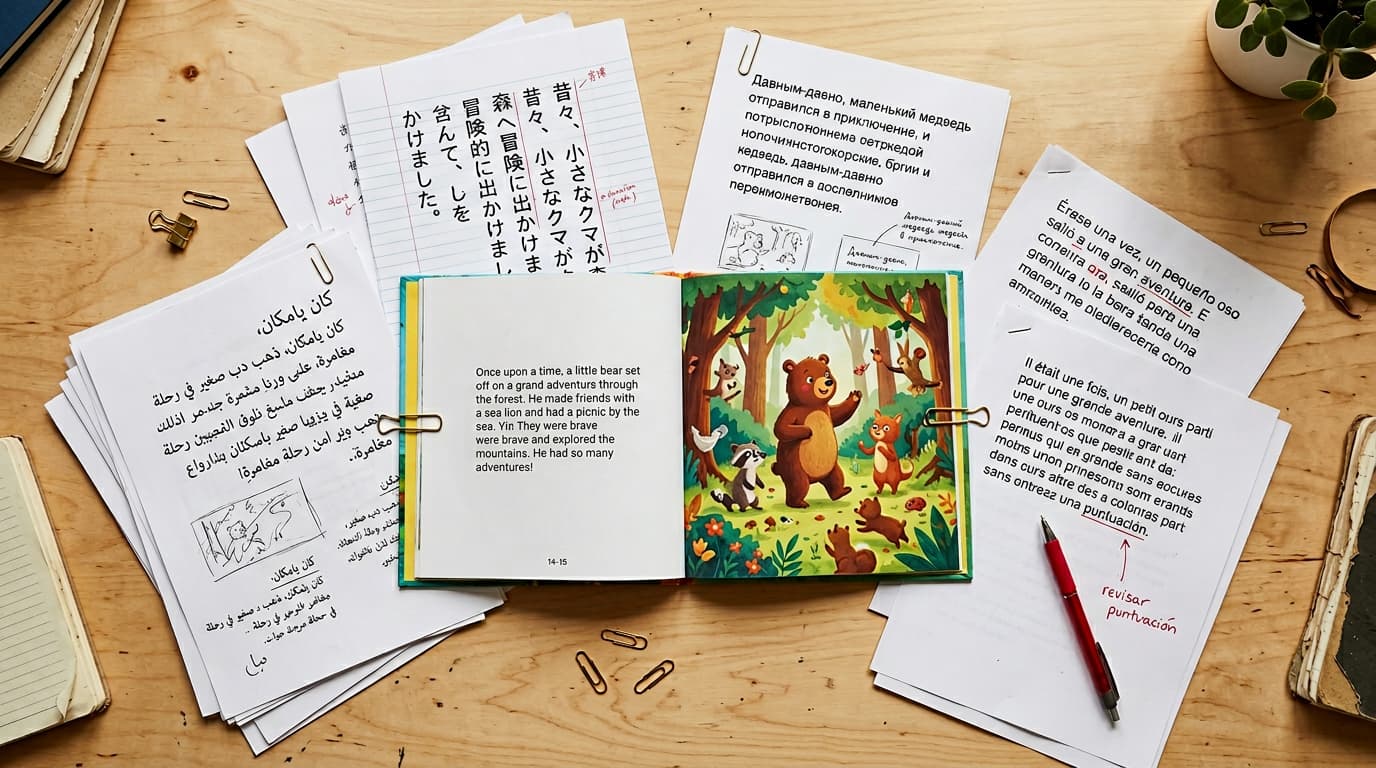
Translation comes up early in the picture book author's journey. Here are the real numbers for translation, narration, and layout across 10 languages.

Redda is here. A narrated library of children's stories in 28 languages, built for multilingual families.